

The holiday season is the single biggest revenue opportunity for most businesses—accounting for up to 30% of annual sales for many retailers. But with competition intensifying and ad costs rising 40–50% during peak periods, success requires more than just slashing prices. The brands that win are those that combine strategic planning, automation, personalization, and omnichannel engagement to create seamless, memorable shopping experiences that convert browsers into buyers—and buyers into loyal customers.
This guide distills the most effective holiday marketing strategies from industry leaders and combines them into an actionable playbook you can implement today. Whether you’re running an ecommerce store, a service-based business, or a hybrid model, these tactics will help you maximize revenue while minimizing manual effort—essentially putting your holiday sales on autopilot.
Why the Holiday Season Is Your Growth Catalyst
The numbers speak for themselves. Holiday spending is projected to exceed $1 trillion in 2025, with ecommerce growing nearly twice as fast as overall retail. More importantly, 54% of shoppers are willing to try new brands during the holidays, and 52% appreciate seeing relevant ads for products they weren’t actively searching for. This creates a unique window to acquire new customers, increase average order value, and build long-term relationships.
However, the challenges are real. Increased competition drives up cost per impression (CPM), high traffic doesn’t always translate to conversions, and return rates spike during peak season. The solution isn’t to work harder—it’s to work smarter with automation, data-driven personalization, and strategic channel orchestration.
Phase 1: Pre-Holiday Preparation (13–16 Weeks Before Peak)
Start Early, But Start With Your Data Foundation
Every holiday marketing guide says to start early. That’s correct but incomplete. Starting four months out on a fragmented data foundation means four months of building something beautiful that breaks at 6 a.m. on Black Friday. The work that matters most happens in your data layer before anyone opens a design brief.
Ask yourself three critical questions:
Brands that unify customer and operational data see dramatically better results. Now Optics generated 5.8 million engagements from a single multichannel campaign built on this foundation.
Build Predictive Segments, Not Just Labels
Most holiday segmentation starts and ends with labels: “Loyalty members,” “Cart abandoners,” “First-time buyers.” But your best customer and someone who bought once two Decembers ago both get the same “We saved you a spot!” email. These labels describe who someone is but say nothing about what they’ll do next.
Predictive segmentation flips that. Instead of grouping customers by past behavior alone, score them on signals that indicate future action: purchase recency, category affinity, price sensitivity, channel engagement. Then run those segments through AI models that reference operational data, so predictions connect to what the business can fulfill.
A practical holiday segment table includes at least ten groups:
Each group needs a different engagement approach, different offer logic, and different channel sequencing.
Collect Zero-Party Data Before the Rush
A customer fills out a signup form, tells you they’re shopping for running gear, and the first email they get promotes kitchen appliances. According to the SAP 2026 Global Engagement Index, 41% of consumers say brands don’t understand them as a person. That’s a data problem, and customers are willing to help solve it—if you make it worth their time.
Zero-party data is information customers give you directly: their preferences, their gift lists, their style choices, their communication channel preferences. It differs from first-party behavioral data (what they browse, click, and buy) because the customer is telling you explicitly what they want, rather than leaving you to infer it.
During the holiday season, the opportunities to collect zero-party data multiply:
Home Depot ran this approach during its Hot Sale period. By asking customers through a signup form which product category they were most interested in, they could send tailored deal notifications on event day. The approach drove an 8% conversion rate from those personalized landing pages.
Phase 2: Core Strategies to 10X Holiday Sales

At least 27% of US and UK consumers plan to start their holiday shopping in October, with 44% planning to start earlier than normal in 2025. Capture these eager shoppers by creating exclusive offers that reward them for engaging within your marketing channels.
Tactical implementation:
FOMO (fear of missing out) is deeply rooted in buyer psychology. Creating urgency prompts quicker purchasing decisions and helps boost revenue.
If someone you’ve never met walks into your brick-and-mortar store, you ask them what they like, what they’re looking for, and how you can help. You can do the same for anonymous website visitors—even though you can’t see them.
With the right tools, track what visitors are browsing, how they found your website, what they’ve added to their cart, and how long they spend on each page. Then use this information to make their shopping experience personal. Their activity automatically triggers personalized product recommendations, push notifications, and special offers dynamically designed to meet their specific needs.
Personalization tactics that work:
Brands using AI-driven personalization see 3x higher conversion rates and 2.6x increase in average order value.
It doesn’t matter how many days are between Thanksgiving and Christmas if you can get one-time buyers to purchase more than they intended. Extra revenue is extra revenue.
Upselling strategies:
MAC Cosmetics used immersive, Instagram-like story formats to showcase best-selling and trending products, driving a 123.5% increase in mobile conversion rates and 7.28% rise in average order value.
The average social media user spends at least 2.5 hours on social media daily, and one-third of shoppers use social media for product discovery. Smart marketers focus on driving social media scrollers to direct messages for continued engagement.
Implementation:
This approach is particularly effective for Instagram and WhatsApp, where two-way conversational messaging offers personalized support and a seamless buying journey.
How ChatiOne helps: ChatiOne’s conversational automation for Instagram and WhatsApp lets you capture social engagement and convert it into sales without manual intervention. Set up automated flows that respond to DMs, qualify leads, recommend products, and even complete checkout—all within the messaging app.
Once someone clicks away from your site without making a purchase, it might seem like they’re gone for good. But that’s not the case if you’ve captured their email, phone number, or connected through messaging apps.
Re-engagement tactics:
Cordial recommends removing 15-day buyers from all batch sends unless sending a top-tier promotion, as recent purchasers are most likely to unsubscribe if over-messaged.
Retailers can build post-purchase trust by sending personalized purchase confirmations via email, SMS, or WhatsApp, including order details and timely updates. Clear communication enhances customer experience and strengthens long-term relationships.
Post-purchase engagement:
By mid-January, customers who’ve had a personalized post-purchase experience will keep opening emails while everyone else hits unsubscribe.
During peak shopping season, capturing and engaging potential leads can be tough amid the surge of promotions. Without strong lead collection strategies, you risk missing valuable opportunities.
Gamification tactics:
An optimized sign-up module with eye-catching holiday creative and a compelling offer entices visitors to take advantage of the deal right away.

Create Holiday-Themed Content and Gift Guides
Consumers often need help picking the right gifts. Gift guides are a great tool to employ, but they require advanced planning.
Successful gift guide approaches:
Make your gift guide interactive if possible—perhaps with a quiz that helps customers find the perfect gift based on their answers. Leverage holiday-themed user-generated content, testimonials, product reviews, and social proof points to create gift guides around your most shopped, most gifted, and best sellers.
Content ideas:
Remember to optimize all holiday content for search engines to attract new visitors.
Including influencers in your festive marketing strategy can boost CTR by 53% on Instagram and reduce CPA by 19%. Influencer marketing combined with popular channels like Instagram Reels is a smart way to connect with target audiences.
Influencer tactics:
User-generated content provides authentic social proof and builds community and trust among customers.
Every channel serves a unique role in your marketing stack, but many retailers default to using all channels to promote the same sale with identical copy on the same day. Savvy marketers leverage each channel’s unique value proposition to tailor the experience.
Cross-channel best practices:
During Black Friday, all channels should highlight the promotion, but each can do so differently. If you must promote the same message across all channels, tailor your cadence to ensure multi-channel subscribers aren’t overwhelmed.
How ChatiOne helps: ChatiOne orchestrates cross-channel conversations from a single dashboard, balancing how many messages you send to a customer in a given day. Use channel preferences to ensure customers receive the right message on the right channel at the right time—without fatigue.
Phase 3: Automation Workflows That Put Sales on Autopilot
Manual management of holiday campaigns strains resources. Marketing automation workflows give you the advantage of optimized, hassle-free campaigns that drive remarkable results.
Log customer preferences before and during your busiest time. When they return, they’re automatically provided with a personalized shopping experience.
How it works:
If a first-time customer converts quickly, they’ve shown high interest and intent. These customers need nurturing to encourage repeat orders.
How it works:
Reward loyal customers to keep them coming back after the holidays. Segment based on lifetime spend or number of orders.
How it works:
Saski Collection saw 40,000+ website visits within seven days of implementing this workflow.
Scarcity is one of the most powerful motivators for action. Automatically place low-stock products in prominent places to sell through faster.
How it works:
Stay on top of high-priority orders with proactive notifications that alert the right team when a rush order comes in.
How it works:
Detecting high-risk transactions early ensures smooth operations during high-volume periods.
How it works:
Automatically cancel and restock orders determined to be high-risk without manual reviews.
How it works:
Automate how products are organized and discovered, including surfacing correct items in search functions.
How it works:
GOOD AMERICAN set up a similar workflow in less than a day, automatically tagging denim fits, colors, and sizes so customers find exact jeans faster.
Platform-Specific Optimization
Static images and Reels are preferred content types. Share products, promotions, and gift guides. User-generated content performs well. Use “link in bio” or Instagram Shop for in-app purchasing.
Images and videos work well, but don’t forget Stories for ephemeral, time-limited offers. Ads can be highly targeted to specific audiences.
TikTok
Short video content reigns supreme. Jump on trending sounds to attract attention quickly. TikTok videos perform well as Instagram Reels for easy cross-posting.
YouTube
Home of long-form video. Post full-length content including influencer collaborations, reviews, recipes, behind-the-scenes, and vlogs. Clip longer content for YouTube Shorts.
Polished images and short videos are eye-catching. Perfect for gift guides, styling guides, and shoppable Product Pins.
Great for B2B audiences. Share gift guides for colleagues and corporate gifting. Post employee stories or holiday event photos.
Critical Timing and Shipping Deadlines
Messaging shipping cutoff dates drives conversions. Here’s how to incorporate these timelines effectively:
Email banners:
Dedicated emails/SMS/push:
Site/app pop-ups:
After shipping cutoff:
Post-Holiday Strategy: Avoid Fatigue and Build Loyalty
Post-holiday, subscribers will have been messaged heavily. Give your mailing list a break to avoid fatigue.
Cadence adjustments:
Post-holiday activation:
True Loyalty dropped to 29% in 2025—the steepest decline on record. The holiday season is where repeat revenue relationships are built or lost.
Measuring What Matters
Standard holiday dashboards track revenue, conversion rate, average order value, and channel engagement. Those metrics matter, but they don’t tell the whole story.
Metrics that connect holiday performance to long-term value:
A campaign driving 10,000 new customers in November looks like a win until February, when 9,200 haven’t returned and you’re spending acquisition budget to replace them.
Continuous optimization during season:
Putting It All Together: Your Holiday Automation Stack
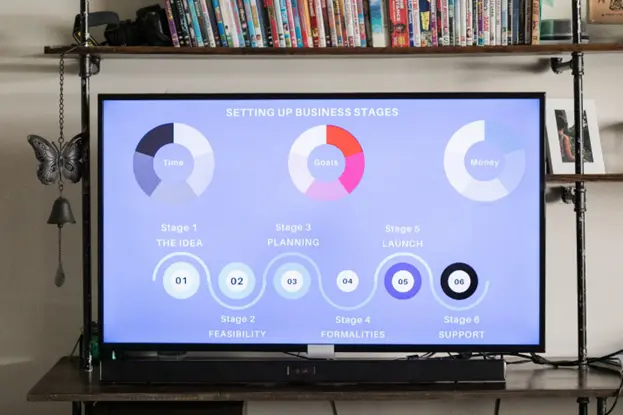
Everything maps to three phases:
How ChatiOne fits in: ChatiOne provides the conversational automation layer that ties these phases together across websites, Instagram, and other channels. From capturing zero-party data through interactive quizzes to orchestrating personalized post-purchase sequences, ChatiOne helps you implement these strategies without adding manual workload.
Set up automated flows that:
The result? A holiday marketing engine that runs on autopilot while you focus on fulfillment, customer service, and strategic decisions.
Final Thoughts: Compete on Experience, Not Just Price
Strategic discounting works. Blanket discounting destroys margins and trains customers to wait for the next sale. The difference is knowing which customers are price-sensitive and how much discount is necessary per segment.
True Loyalty sits at 29%, down five percentage points year over year. Meanwhile, 55% of consumers expect reduced prices or better deals in exchange for loyalty, but 28% expect something different: a consistent, relevant experience every time they interact with the brand.
Price gets customers through the door, but experience determines whether they come back.
During peak season, the temptation is to compete on price alone. That’s how you end up in a race to the margin floor with ten other brands in the same inbox, all shouting “40% OFF!” in the subject line. The alternative is competing on the full experience: curated gift guides, personalized bundles, exclusive early access for loyalty members, convenience features like reliable shipping deadlines and easy returns.
The real ROI of a holiday marketing strategy doesn’t show up in December. It shows up in Q1, when you find out how many of November’s new customers come back without a discount code.
Start planning now. Build your data foundation. Segment predictively. Automate relentlessly. Personalize at every touchpoint. And measure success by what happens in January as much as what happened on Black Friday.
Your holiday campaigns can be your biggest, most profitable, and easiest ever—with the right strategies and automation in place.